Adopt environmentally responsible boating practices to protect our waterways
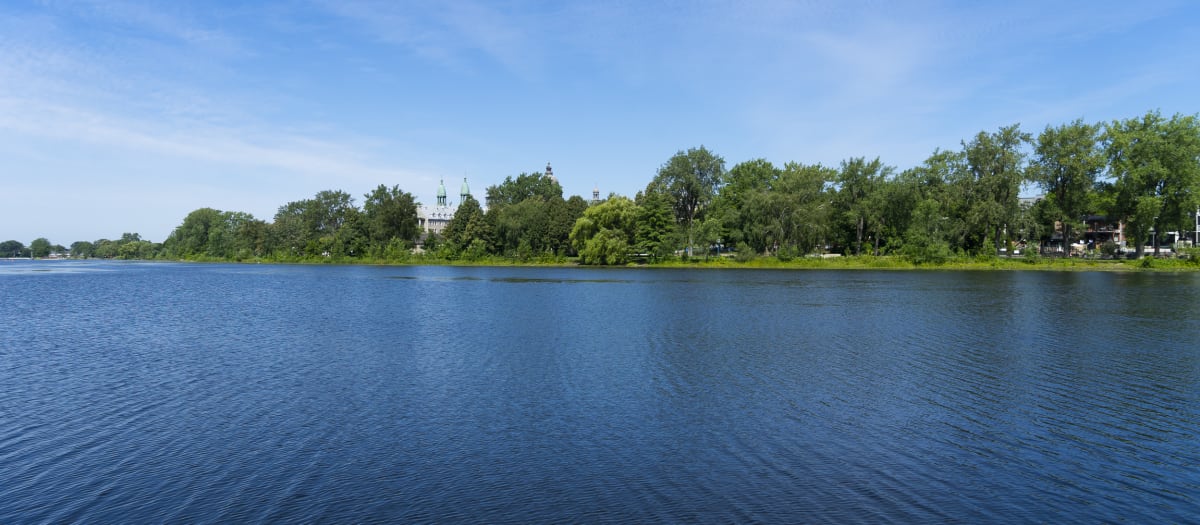
Boating brings people closer to nature, but recreational boating can also have an impact on the environment. Aquatic ecosystems are both valuable and fragile, and they deserve our attention. Simple actions can go a long way toward protecting them.
The waterways surrounding Montréal are also the primary source of drinking water for Montréal residents and communities located downstream of the island.
Here are a few actions you can take to help protect the environment while enjoying recreational boating.
Prevent Fuel Spills
Small fuel spills from recreational boats may seem insignificant, but their cumulative effects can be devastating. Fortunately, there are simple steps you can take to prevent them.
Fill portable fuel tanks on land to avoid spills into the water and absorb any excess fuel with absorbent cloths. Also, use a funnel or a spill-proof spout to reduce the risk of leaks or splashes onto the deck or into the water.
Avoid filling your boat’s fuel tank completely, as fuel expands when exposed to heat. Filling the tank to about 90% capacity helps reduce the risk of overflow.
Clean up any spilled fuel immediately using absorbent materials and dispose of them in designated hazardous-waste containers (never in a regular garbage bin).
Close the vents on stored gasoline containers to prevent vapour emissions.
Avoid refuelling during strong winds, as wind can disperse fuel vapours and droplets into the water. Whenever possible, choose cleaner fuels.
Experts estimate that up to 30% of the fuel and oil used by two-stroke engines ends up in the water. Until you replace your engine with a four-stroke model, proper maintenance of your current engine can help reduce these impacts.
Maintain Your Boat
Proper boat maintenance plays an important role in keeping waterways clean and protecting aquatic wildlife and plant life.
Before launching your boat, inspect the hull and other equipment, such as the trailer and anchor, to ensure they are free of mud and debris. This helps prevent the introduction of unwanted organisms into the water.
Use non-toxic cleaning products (or vinegar and baking soda), then rinse thoroughly with fresh water whenever possible before moving your boat from one waterbody to another.
If the hull requires light cleaning, use a sponge rather than scrubbing the surface, as this could chip harmful paint and contaminate the water. Before choosing a potentially toxic antifouling paint, ask yourself whether it is truly necessary. Instead, consider using a durable marine paint and applying a protective wax coating to the hull.
Place an oil-absorbent pad in the bilge and beneath the engine, where leaks may occur.
Keeping Our Waterways Healthy, Today and Tomorrow
What measures do you take to reduce the environmental impact of your boating activities? Many solutions are available. By adopting responsible and environmentally conscious boating practices, you can help preserve water quality and protect aquatic ecosystems for future generations.
Thank you for helping protect our waterways.
Quick search
Need help?
Contact us if you have questions.