Everything You Need to Know About Tree Management in Pierrefonds-Roxboro
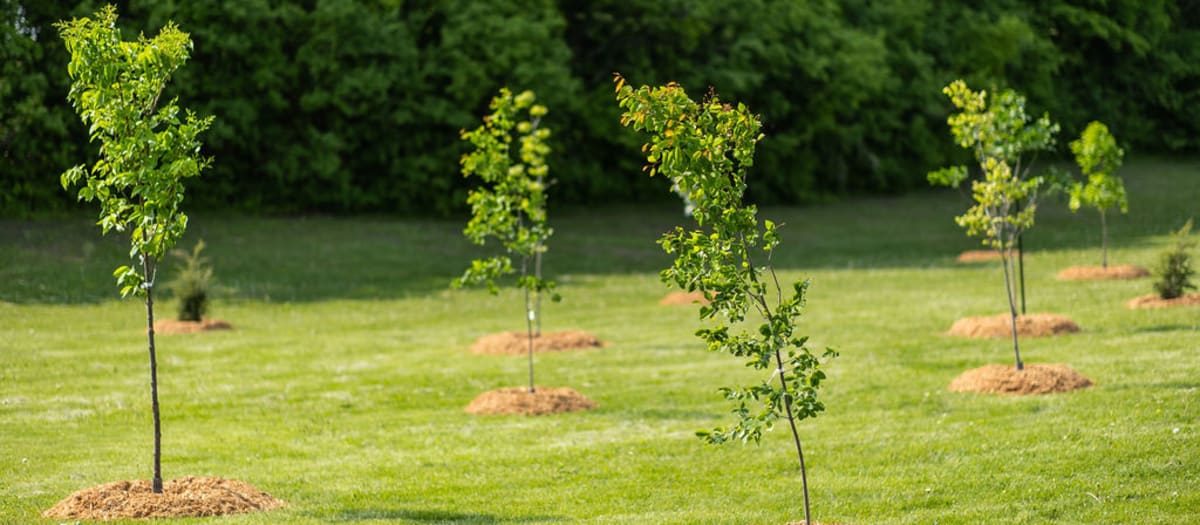
Trees play an essential role in our neighborhoods. They contribute to quality of life, biodiversity, and the fight against climate change. In Pierrefonds‑Roxboro, there is a strong commitment to protecting, managing, and expanding the urban canopy while supporting residents in this effort.
Several initiatives are being implemented to make our neighborhoods greener, cooler, and more resilient. On this page, learn more about how to:
receive a free tree in the municipal right-of-way near your property;
purchase a low-cost tree to plant on your private property;
maintain your trees and understand the risks related to their roots;
obtain a permit to remove a tree on private property.
Programs to green up your neighbourhood
Welcome a Tree: Grow the Future
The Borough invites you to submit your address to receive a tree planted in the municipal right-of-way near your home. This program is part of the City of Montréal’s 2020–2030 Climate Plan, which aims to plant thousands of trees over the coming years.
By registering, you may benefit from a free tree planting, carried out and maintained by the Borough’s horticulture team. Several tree species are offered to promote biodiversity and adapt to site conditions. Guidance is provided to help you make an informed choice.
Registration does not automatically guarantee a planting. Each site is evaluated based on technical criteria before being approved.
What is a municipal right-of-way?
Municipal land or public right-of-way is a strip of land located between the street and the boundary of a private property, owned by the city. Its width varies depending on the type of street and can be confirmed through the land’s location certificate. Learn more
To maintain and increase the tree canopy, public trees that are removed are systematically replaced. In addition, the borough aims to accelerate greening efforts by planting trees in public rights-of-way wherever space allows. If the area in front of your property is included in this program, you will receive a notice at your door.
The fall campaign for the A tree for my neighbourhood program has ended. It will return in the spring of 2027 for those who wish to plant a tree on their property. This program aims to increase canopy cover on private land by offering low-cost trees to the public.
Thinking about it? Make sure the location you choose for planting is on your private property and not within municipal right-of-way.

Tree Roots: Myths and Realities
Some concerns remain about the impact of tree roots on infrastructure. Here is what you need to know.
Roots do not break through concrete. However, they can grow into existing cracks if air and water can enter them, which may worsen an existing problem. If cracks are present, consult a specialist to determine the cause and required repairs.
Roots only enter pipes that are already damaged or not watertight. Typically, aging infrastructure or defective joints are the cause. A professional camera inspection can provide an accurate diagnosis.
Wear and tear, freeze-thaw cycles, traffic, and poor construction are the main causes of cracks in paved surfaces. Roots take advantage of the available space but are not responsible for the initial damage. Solutions exist to repair and protect surfaces while preserving tree health.
What to do if in doubt?
If you suspect a problem related to tree roots:
Document the situation by taking photos and noting when the damage appeared.
Contact a specialized company if needed. These professionals can identify the source of the problem, advise on required repairs (foundations, plumbing, etc.), and help prevent recurrence.
If in doubt, contact 311 to:
Find out what to do in case of an issue affecting the municipal portion of piping;
Learn about regulations regarding sewer repairs, driveway expansions, or any work requiring a permit;
Inform the borough that work will take place near a public tree or that maintenance may be required for a City-owned tree;
File a claim if you still believe a public tree is responsible for the damage.
Key Points
Entrust tree maintenance to qualified arborists.
A permit is required to remove a tree on private property.
It is prohibited to carry out work on a tree owned by the City.
Why Are Trees So Important?
Trees capture carbon dioxide (CO₂) and filter air pollutants, contributing to better air quality. Their presence also promotes well-being and supports cardiovascular and respiratory health.
Tree canopies provide shade and cool the surrounding air, reducing heat buildup from mineral surfaces like asphalt and concrete.
Roots help absorb water, while foliage intercepts rainfall, reducing runoff and the risk of flooding.
Trees provide habitat and food for many species. A greener environment also improves quality of life and can positively impact property values.
Quick search
Need help?
Contact us if you have questions.